Systems
Systems
Static Line Systems
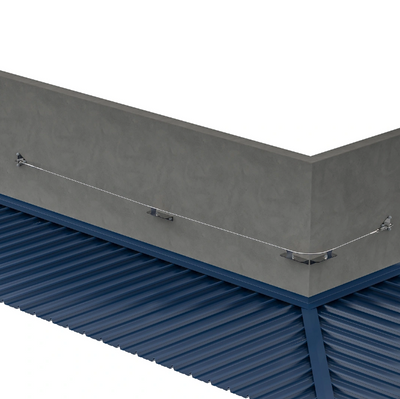
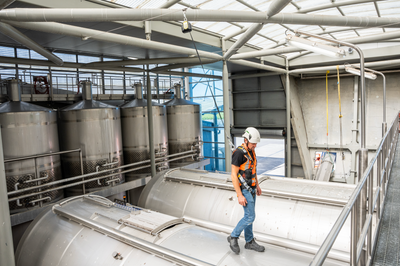
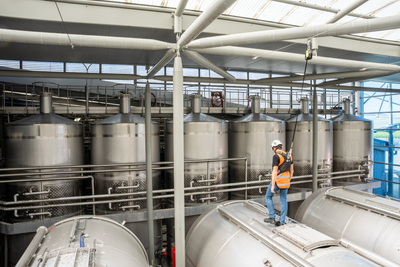
Static lines are an important part of a height safety system and are designed for a variety of applications and structures, including horizontal, vertical and overhead installations.
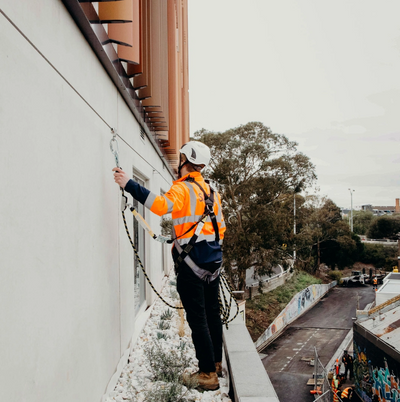
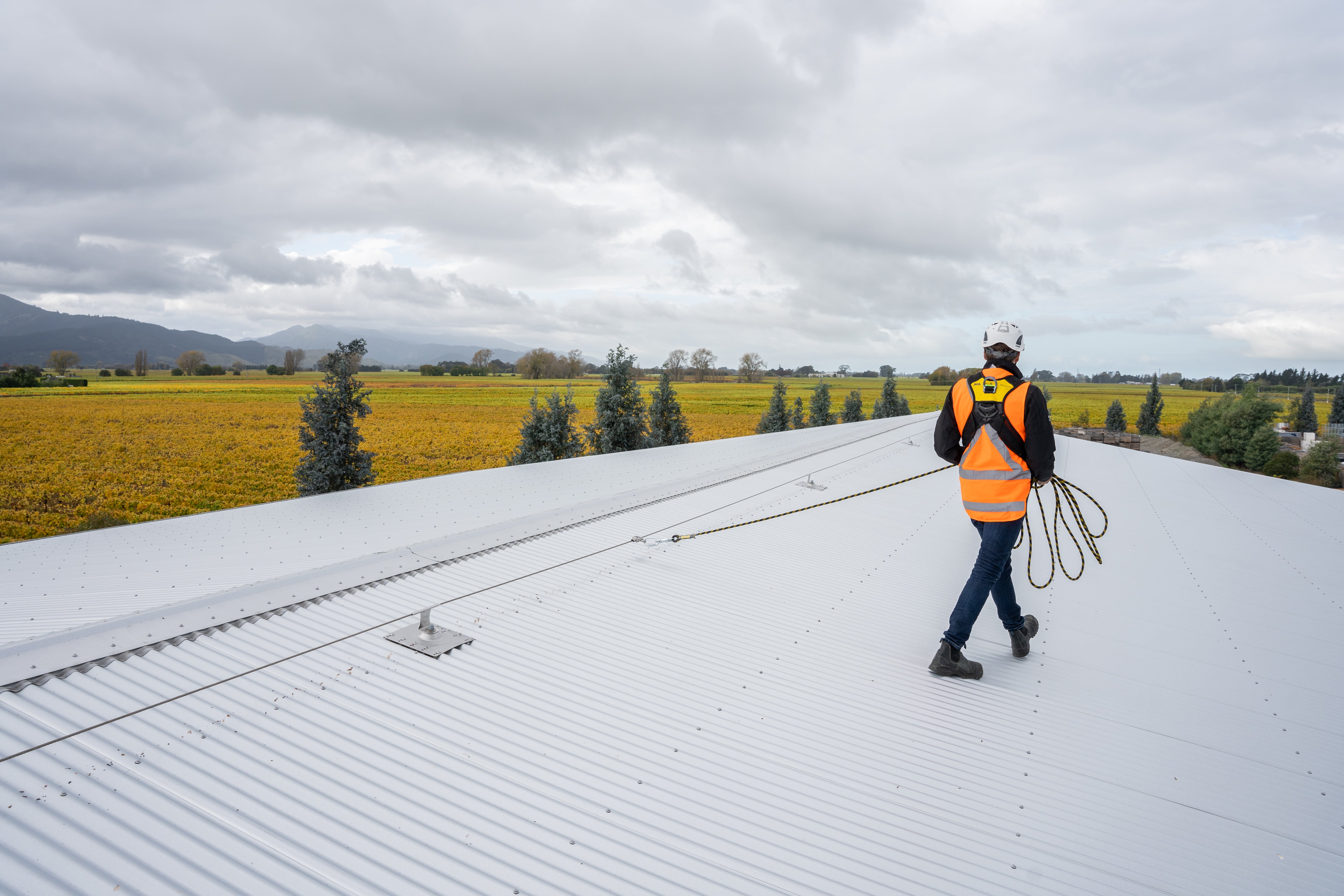
When moving along a static line system, the user has a high degree of freedom of movement and can safely access different areas of a building or structure while remaining continuously connected to the system.
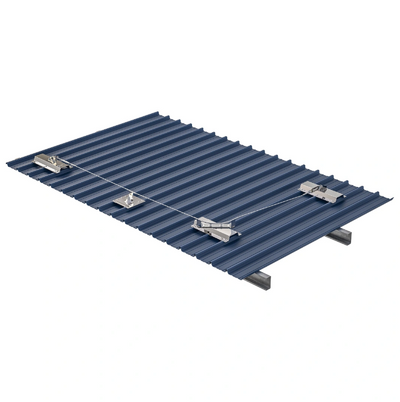
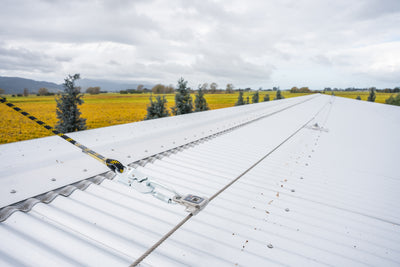
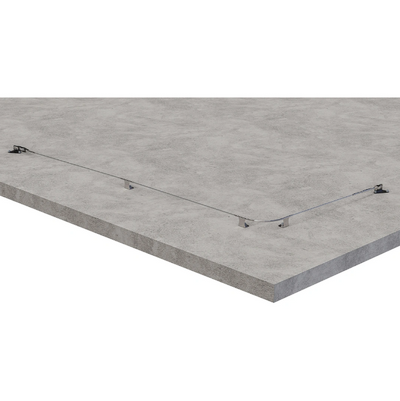
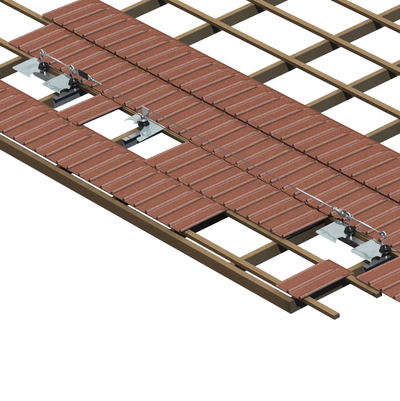
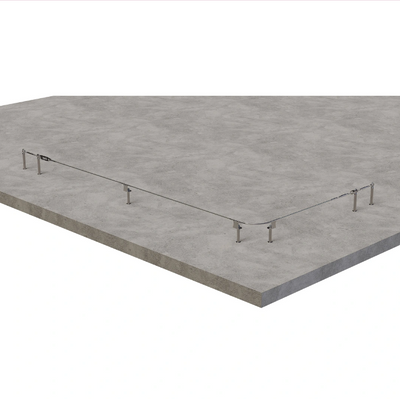
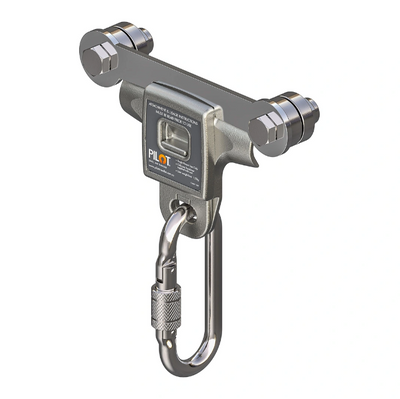
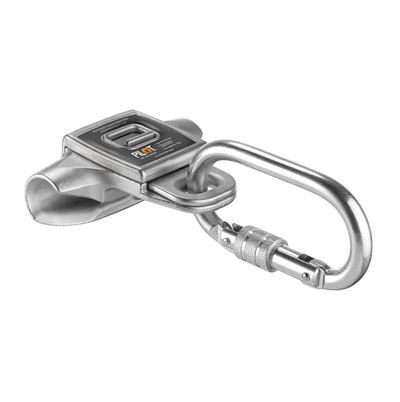
The basic components of a static line system consist of a wire cable secured by a series of end termination, intermediate and corner anchor points. Multiple users can connect to the system using a harness, lanyard and connection shuttle or traveller, providing an effective fall protection solution with continuous, hands-free protection.
NZ Access can assist with the design, layout, installation and certification of static line systems to suit the structure, access requirements and specific application.
Looking for a static line system for your project? Talk to the NZ Access team on 0800 083 348 or get in touch via our contact page.
Advantages of Static Line Systems

Advantages of Static Line Systems
Static line systems provide a flexible and reliable fall protection solution for workers who need to move along a defined route while remaining connected to an engineered lifeline.
- Engineered Lifeline Systems – Designed to suit the structure, travel path and specific fall protection requirements of each application.
- Multiple Fall Protection Options – Configurations can be designed for fall arrest, fall restraint or total restraint, depending on the system design and intended use.
- Multiple User Capacity – Systems can accommodate one to four users, depending on the configuration and manufacturer specifications.
- Continuous Attachment – Allows workers to remain connected to the lifeline while moving along the designated route.
- Hands-Free Movement – Compatible travelling devices allow users to move along the system while keeping their hands available for work tasks.
- Stainless Steel Components – Selected systems incorporate stainless steel components for durability in demanding environments.
- Retrofit Capability – Suitable systems can be installed on existing structures, subject to structural assessment and fixing requirements.
- Custom Engineering Options – NZ Access can work with its engineering partners to develop tailored solutions for specific structures, layouts and site requirements.
Applications of Static Line Systems

Applications of Static Line Systems
Static line systems are suited to work-at-height environments where workers need to travel along a designated route while maintaining a connection to a fall protection system. They can be installed on suitable structures to support routine maintenance, inspections and other work activities.
- Fall Arrest – Provides a compatible lifeline for use with suitable fall arrest equipment, designed to arrest a fall should one occur.
- Fall Restraint – Restricts a worker's movement to prevent them from reaching an edge or other fall hazard.
- Total Restraint – Configured to prevent access to fall hazards through appropriate system design and compatible equipment.
- Industrial Roof Maintenance – Provides a lifeline for workers carrying out roof inspections, servicing, repairs and routine maintenance.
- Solar Panel Installation & Maintenance – Supports fall protection for workers installing, inspecting, cleaning or maintaining solar panel systems on suitable roofs and structures.
The correct static line configuration depends on the structure, required travel path, number of users, fall clearance and intended method of use. NZ Access can assist with assessing the site and specifying a suitable engineered system.